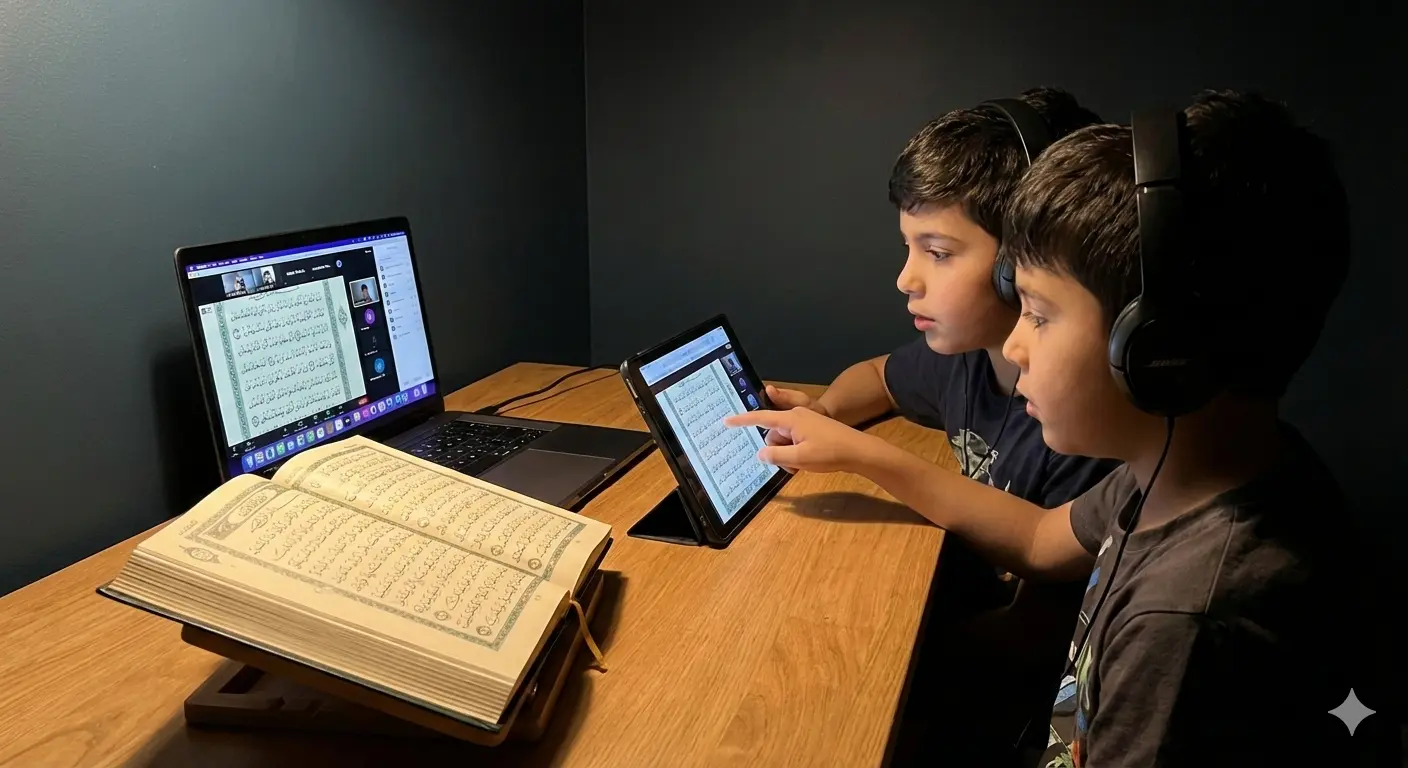
Buruj Academy’s Arabic Course for Kids teaches children aged 4–14 to read, write, and speak Arabic through age-appropriate lessons that connect Arabic sound to meaning from day one. Children master the Arabic alphabet not through isolated drills, but by seeing letters inside real words—ب in بيت (house), ت in تفاحة (apple)—building recognition, pronunciation, and confidence simultaneously through structured, engaging instruction.
Most children quit Arabic programs within 2 months because lessons feel like memorization tests instead of discovery. Buruj Academy’s instructors slow down the learning sequence deliberately: listening before speaking, recognizing before writing, comfort before performance. Kids don’t drill alphabet charts for weeks—they learn letters in context, speak simple phrases in lesson one, and develop Arabic language skills through games designed around pedagogy, not distraction.
Transform from a complete beginner to a confident Quran reader
Buruj Academy’s Arabic Course for Kids is a structured program where children learn Arabic alphabet mastery, basic Arabic speaking fluency, Arabic reading comprehension, and Arabic writing proficiency through lessons that mirror how children naturally acquire language. Each session includes sound training, vocabulary in context, interactive speaking practice, and guided reading—all adapted to the child’s age, prior exposure, and learning pace through personalized instruction.
Young learners progress through four core stages: Arabic letter recognition paired with meaningful words, Arabic sentence construction using vocabulary they already know orally, Arabic reading fluency through stories and familiar phrases, and Arabic writing practice that reinforces what they’ve read and spoken.
Buruj Academy's Arabic Course for Kids introduces foundational Arabic language skills in a sequence designed for young minds: sound recognition before letter naming, speaking before grammar rules, reading familiar words before decoding unfamiliar text.
Children learn the 28 Arabic letters not in alphabetical isolation, but embedded in meaningful vocabulary—ج appears in جبل (mountain), د in دجاجة (chicken), ر in رجل (man). Buruj Academy’s instructors teach letters through visual association and auditory repetition, so kids internalize shape, sound, and meaning together.
English-speaking children struggle with sounds like ع, ح, ق, خ, and غ because these don’t exist in English phonetics. Buruj Academy’s curriculum trains young ears first through listening games, then introduces mouth positioning through playful repetition—not technical explanations. Kids practice differentiating ح from ه, and ص from س, and ط from ت through songs, visual cues, and instructor modeling, building pronunciation confidence before reading those letters in text.
Children don’t memorize word lists—they learn Arabic vocabulary through themed lessons: family members, animals, foods, colors, daily actions. Buruj Academy’s instructors introduce 5–8 new words per lesson through images, stories, and interactive questions, then reinforce them through games and sentence-building activities.
Once children recognize 30–40 Arabic words and can pronounce them confidently, Buruj Academy’s curriculum introduces simple sentence patterns: “أنا طالب” (I am a student), “هذا كتاب” (This is a book), “أمي في البيت” (My mother is in the house). Kids practice speaking these sentences aloud before learning grammatical terminology.
Watch real testimonials from students who transformed their Quranic journey with us
Buruj Academy's Arabic Course for Kids combines expert instruction, age-appropriate pacing, and proven pedagogy to help children read, write, and speak Arabic with confidence.
Children who complete Buruj Academy's Arabic learning for kids program develop measurable language proficiency across reading, writing, speaking, and comprehension.
Children progress from recognizing individual Arabic letters to reading full sentences in storybooks and beginner texts. Buruj Academy's instructors introduce reading through words kids already know orally, then expand to unfamiliar vocabulary using phonetic patterns they've internalized. Reading becomes recognition first, decoding second—building speed and confidence simultaneously without overwhelming young learners.
Young learners don't practice letter forms in isolation for weeks—they begin Arabic writing by tracing and copying words they can already read and say. Buruj Academy's curriculum connects writing to comprehension immediately: children write بيت after reading it, seeing it, and saying it. Muscle memory develops alongside vocabulary retention, making writing feel purposeful instead of repetitive.
Children speak Arabic from lesson one—starting with greetings, self-introduction, and simple questions. Buruj Academy's instructors create low-pressure speaking opportunities through games, role-play, and conversational prompts, addressing hesitation directly by slowing down the moment between thought and speech. Kids learn that mistakes are expected, pausing is normal, and fluency develops through practice, not perfection.
Young learners develop the ability to understand spoken Arabic through stories, songs, and instructor-led conversations. Buruj Academy's curriculum uses repetition and visual context to reinforce listening skills—children hear the same vocabulary in different scenarios, learning to extract meaning without translation. Listening comprehension precedes independent speaking, building a strong receptive foundation for expressive language development.
Children don't study verb conjugation tables or grammatical charts—they absorb patterns through repeated exposure to correct sentence structures. Buruj Academy's instructors introduce grammar implicitly: kids say "أنا أكتب" (I write), "هو يكتب" (He writes), "هي تكتب" (She writes) dozens of times before learning the term "verb conjugation." Pattern recognition develops first; formal terminology follows only when the child's brain has already internalized the structure.
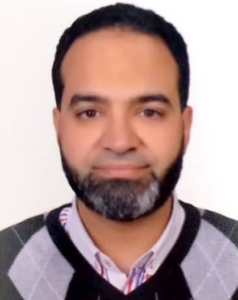
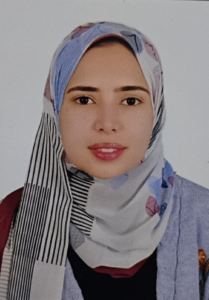
Learn from qualified native Arab scholars with years of teaching experience
Qur’an Tutor | Multiple Ijazah Holder | Special Needs Specialist
4,500+ Teaching Hours | Ijazah in Hafs, Ibn ‘Amer & Abu ‘Amr | Teaching Arabs & Non-Native Speakers | 7+ Years Experience
Arabic & Qur’an Teacher for Non-Native Speakers
Al-Azhar Graduate | Educational Diploma | Teaching Arabic, Tajweed & Noor Al-Bayan for Kids and Adults
Real transformations from students who mastered the Quran with our courses
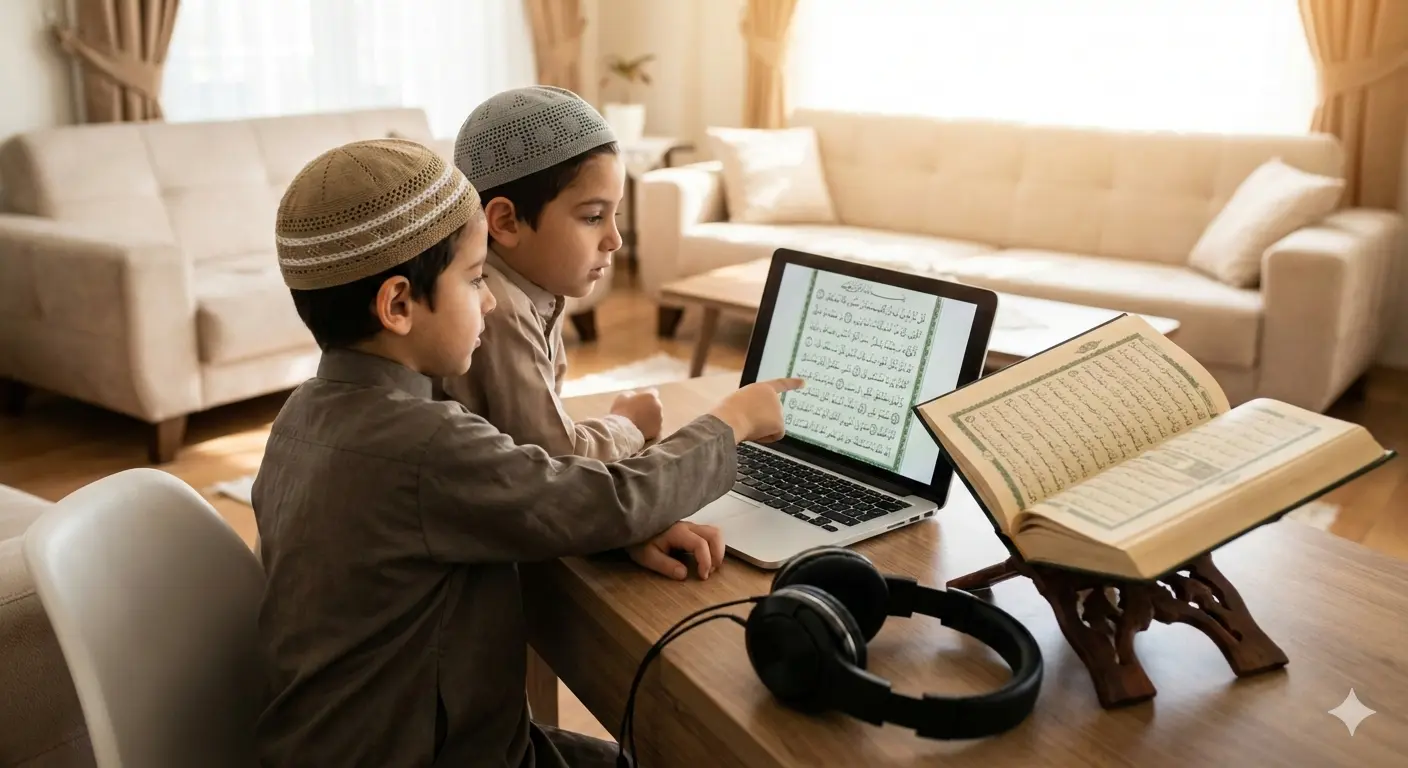
Buruj Academy’s Arabic Course for Kids offers structured, expert-led online Arabic classes for kids that build real literacy, speaking confidence, and comprehension through proven, age-appropriate teaching methods.
Buruj Academy delivers structured, results-driven Arabic learning for kids through qualified instructors, pedagogically sound curriculum design, and personalized learning plans that adapt to each child's age, learning style, and prior exposure to Arabic.
Buruj Academy's instructors pass multi-stage interviews testing both Arabic language fluency and child pedagogy expertise. Teachers must demonstrate patience, clarity, and the ability to explain Arabic phonetics to English-speaking children using visual aids, games, and age-appropriate language.
Buruj Academy's Arabic learning for kids program uses 20–30 minute sessions for younger learners (ages 4–7), 30–40 minute sessions for older kids (ages 8–14), and integrates educational games that reinforce Arabic alphabet recognition, vocabulary retention, and pronunciation accuracy without feeling like drills.
Buruj Academy assesses each child's starting point before lessons begin: complete beginner with zero Arabic exposure, heritage speaker who understands spoken Arabic but can't read, or child with Quran reading skills who needs Modern Standard Arabic. Lesson content, pacing, and materials adjust accordingly—no one-size-fits-all curriculum.
Buruj Academy's in-house educational games aren't filler—they're pedagogy. Kids practice Arabic letter recognition through matching challenges, reinforce vocabulary through picture-based quizzes, and build sentence construction skills through drag-and-drop activities.
Parents receive regular updates on their child's Arabic language development: which letters the child has mastered, which sounds need more practice, current vocabulary count, reading level, and speaking confidence.
Buruj Academy's Arabic Course for Kids is priced accessibly for families committed to long-term language learning. Monthly subscription plans, sibling discounts, and flexible payment options make consistent Arabic education sustainable for households on a budget, without compromising instructor qualifications, curriculum quality, or personalized attention.
Give your child the lifelong gift of Arabic literacy, speaking confidence, and Quranic comprehension through Buruj Academy’s expert-led online Arabic classes for kids.
✓ Cancel anytime · ✓ No hidden fees · ✓ 100% satisfaction guarantee
Parents often have questions about how Buruj Academy's Arabic Course for Kids works, what children will learn, and how lessons are structured for young learners.